1. Previously Used Wired Charging Methods for Electronic Devices
Wired charging has long been a fundamental method for supplying power to electronic devices. Below are some of the charging methods that were used in the past:
- DC Jack Charging: Commonly used for laptops and small electronic devices, this method supplied power through a round DC plug.

- 30-Pin Connector (Apple): Used in early iPhone and iPad models for charging and data transfer, later replaced by the Lightning port.
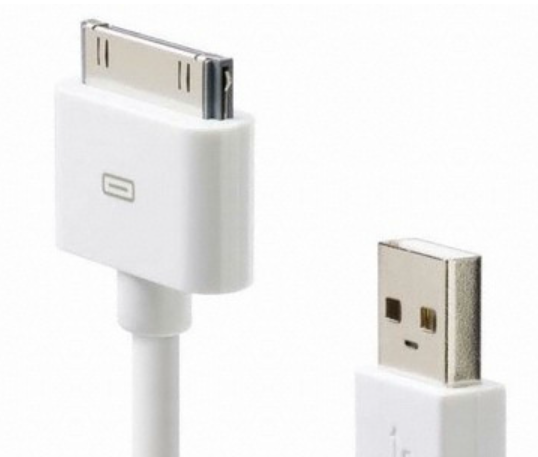
- Mini-USB Charging: Once popular for digital cameras, MP3 players, and early smartphones, but gradually phased out with the rise of Micro-USB and USB-C.

- Micro-USB Charging: Previously the standard charging method for Android devices but has now been largely replaced by USB-C.

2. Currently Used Charging Methods
Both wired and wireless charging technologies are now widely used.
- USB-C Charging: The most commonly used wired charging method today, offering fast charging speeds and high power delivery. Most smartphones, tablets, and laptops have adopted USB-C ports.

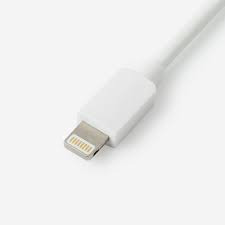
- Lightning Charging: Apple’s proprietary charging method used in iPhones and some iPad models. However, due to EU regulations, Apple is transitioning to USB-C.
- Wireless Charging (Qi Standard): Utilized in smartphones, wireless earbuds, and other electronic devices, allowing devices to be charged through a charging pad. It is convenient but generally less efficient and slower than wired charging.

- Fast Charging (PD and QC Technologies): USB Power Delivery (PD) and Qualcomm Quick Charge (QC) technologies enable rapid charging. Some smartphones now support ultra-fast charging of over 100W.
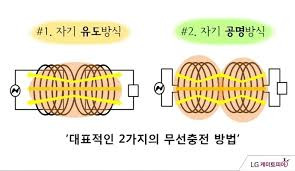
- Inductive and Resonant Wireless Charging: While traditional Qi charging is based on inductive charging, new developments in resonant wireless charging enable long-distance power transfer.
3. Future Charging Methods
Future charging methods are expected to enhance efficiency and convenience further.
- Long-Distance Wireless Charging: Utilizing magnetic resonance and RF (Radio Frequency) technologies, devices can be charged automatically within a certain range, eliminating the need for physical power cables.

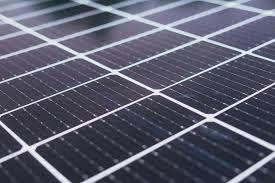
- Solar and Energy Harvesting Technologies: Wearable and IoT devices may adopt charging solutions that harness light, heat, or other ambient energy sources.
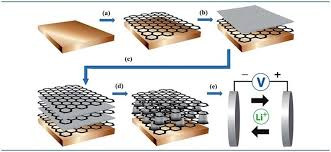
- Graphene Batteries and Ultra-Fast Charging: Graphene-based batteries, which charge faster and last longer than lithium-ion batteries, are under development and are expected to revolutionize charging speeds.
4. Charging Methods in Europe, the United States, Asia, Japan, and South Korea
Different regions have adopted various standards and policies regarding charging methods.
- Europe (EU): As of 2024, the EU has mandated USB-C as the standard charging port for all smartphones. Apple has also transitioned to USB-C in response to this regulation.
- United States: Unlike the EU, the U.S. does not enforce strict standardization regulations. However, USB-C and PD charging are becoming increasingly widespread.
- Asia: Countries such as China, South Korea, and Japan lead in fast-charging technology. Chinese smartphone manufacturers, in particular, have aggressively developed ultra-fast charging solutions exceeding 120W. Wireless charging is also advancing rapidly.
- Japan: Japan is actively researching wireless charging technology, incorporating it into electric vehicle infrastructure and consumer electronics such as smartphones and wearables. There is also significant investment in battery technology development.
- South Korea: Companies like Samsung and LG are at the forefront of ultra-fast charging and wireless charging technology development. Research on 45W+ fast charging and battery lifespan improvement is ongoing, and USB-C has been widely adopted.
In conclusion, charging technology is continuously evolving toward faster and more convenient solutions, with wireless and ultra-fast charging expected to dominate in the future.
'정보이야기' 카테고리의 다른 글
| 연명치료 동의서 Q&A: 꼭 알아야 할 것들 (0) | 2025.04.30 |
|---|---|
| 온누리상품권 가맹점 등록방법 + 현금화 주의사항 (1) | 2025.04.29 |
| The Origin of Apartments, Korea's Apartment History and Culture, Global Trends, and Future Prospects (0) | 2025.02.27 |
| 편의점의 역사와 발전 방향 (0) | 2025.02.19 |
| 케이블을 이용한 핸드폰(모바일) 및 전자기기 충전 방식 및 현재, 미래의 충전 방식 (1) | 2025.02.17 |