1. The First Apartment in Human History
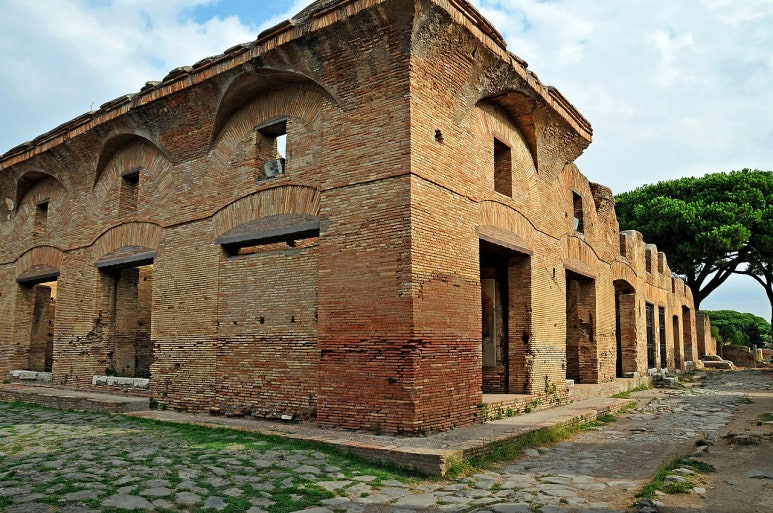
The concept of apartments has existed since ancient Rome. During the Roman Empire, multi-story residential buildings called ‘Insulae’ were constructed, primarily for the middle and lower classes. These insulae can be considered the prototype of modern apartments, as they introduced the concept of shared living spaces in multi-unit dwellings.
In the modern era, apartments began to emerge in the 19th century in France and the United States. In France, the Haussmann renovation of Paris led to the widespread construction of multi-story residential buildings. Meanwhile, in the United States, high-rise apartment buildings started appearing in cities like New York and Chicago in the late 19th century. By the 1920s, with the introduction of elevators and steel-frame construction, high-rise apartments became a common feature in major cities.
2. The Origin and Development of Apartments in Korea
Apartments in Korea began to emerge in the 1960s. The first modern-style apartment in Korea, known as ‘Mapo Apartment,’ was built in 1962 in Seongbuk-gu, Seoul. This development was part of the country’s urbanization and economic growth strategy to expand residential spaces.
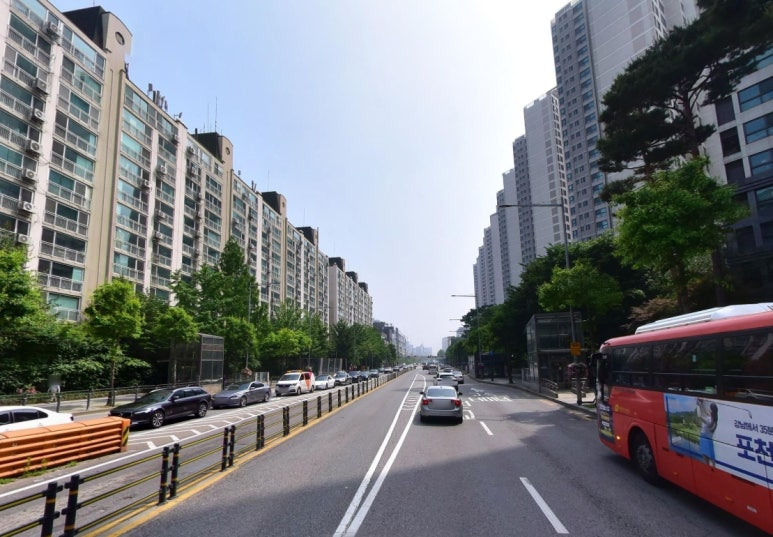
During the 1970s and 1980s, the demand for apartments surged due to rapid economic development and urban population concentration. The government initiated large-scale new town developments in areas such as Gangnam, Mok-dong, and Ilsan to increase housing supply. By the 1990s, high-rise apartments and large residential complexes became widespread, emphasizing modern amenities and community-centered living spaces.

3. The Unique Apartment Culture in Korea
Korea's apartment culture has distinct characteristics. First, due to high population density, high-rise apartments are the norm, emphasizing space efficiency. Second, apartment complexes include various amenities such as gyms, libraries, and playgrounds, enhancing residents' quality of life. Third, apartment branding plays a crucial role, with specific apartment brands being highly preferred and holding premium value.
Additionally, Korean apartments prioritize security and safety, with smart home technology being actively adopted. Recently, eco-friendly designs and energy-saving systems have become essential, increasing residents' convenience and sustainability.

4. Global Apartment Trends
Apartment trends worldwide are evolving in various ways. First, sustainable and eco-friendly housing is becoming a key focus. In Europe, the concept of Passive Houses, which reduce carbon emissions, is being implemented, along with widespread use of solar panels and energy-efficient designs.
Second, the concept of shared housing (co-housing, shared offices, etc.) is expanding. In major cities across the U.S. and Europe, communal living spaces for single-person households and younger generations are gaining popularity, aligning with the broader trend of the sharing economy.
Third, smart apartments are becoming the global standard. AI (Artificial Intelligence) and IoT (Internet of Things) technologies are being integrated into smart home systems, enabling automated lighting, heating, and security features. In Japan and Singapore, high-rise smart apartments are increasingly common.
5. Future Prospects of Apartments in Korea and Around the World
The Future of Apartments in Korea
First, sustainable apartment development will accelerate. The government and construction companies are expected to focus on using eco-friendly building materials, improving energy efficiency, and achieving carbon neutrality. As a result, zero-energy apartments and smart eco-friendly residential complexes will increase.
Second, the expansion of high-rise smart apartments will continue. AI and IoT-integrated apartments will become more common, offering personalized services such as automated temperature control and advanced security systems.
Third, new residential forms will emerge in response to demographic changes. With the increase in single-person and two-person households, demand for small apartments and shared housing will grow. Additionally, as Korea transitions into an aging society, senior-friendly apartments with integrated healthcare and welfare facilities will gain attention.
Fourth, real estate policies and economic shifts will impact the apartment market. Government regulations, interest rate fluctuations, and housing supply policies will significantly influence apartment prices and demand. Future residential trends will move beyond real estate investment to focus on quality of life and environmental factors.
The Future of Apartments Worldwide
Globally, high-rise and eco-friendly apartments will continue to develop. In Europe and the U.S., the smart city concept emphasizing sustainability is expanding, while in developing countries, rapid urbanization is driving the construction of high-rise residential buildings.
Moreover, as AI and robotics advance, automated residential management systems are likely to become more widespread. Apartments will evolve beyond being simple living spaces into future-oriented, intelligent living environments.
Lastly, advancements in 3D printing and modular construction technology will revolutionize apartment building processes, reducing construction time and costs. This innovation will lead to the broader adoption of more affordable and sustainable housing solutions.
In conclusion, the apartment market in Korea and worldwide is continuously evolving, incorporating trends such as eco-friendliness, smart technology, and the sharing economy. With policy and technological advancements, the concept of apartments will continue to expand, making human living spaces more convenient and sustainable.

'정보이야기' 카테고리의 다른 글
| 연명치료 동의서 Q&A: 꼭 알아야 할 것들 (0) | 2025.04.30 |
|---|---|
| 온누리상품권 가맹점 등록방법 + 현금화 주의사항 (1) | 2025.04.29 |
| 편의점의 역사와 발전 방향 (0) | 2025.02.19 |
| 케이블을 이용한 핸드폰(모바일) 및 전자기기 충전 방식 및 현재, 미래의 충전 방식 (1) | 2025.02.17 |
| Wired Charging Methods for Electronic Devices: Past, Present, and Future (0) | 2025.02.16 |